


 By
By Understanding the psychology behind gambling what drives the thrill
The Allure of Risk and Reward
The psychology of gambling is deeply rooted in the human experience of risk and reward. Gamblers are often drawn to the thrill of potentially winning large sums of money, which triggers dopamine releases in the brain, similar to the responses seen in addictive behaviors. This exhilarating rush, often referred to as a “win high,” can create a cycle of chasing losses, where the gambler feels compelled to continue playing in hopes of recapturing that euphoric moment. At Realz Casino, understanding this cycle is critical, as it can lead to repeated behaviors that may be detrimental in the long run.

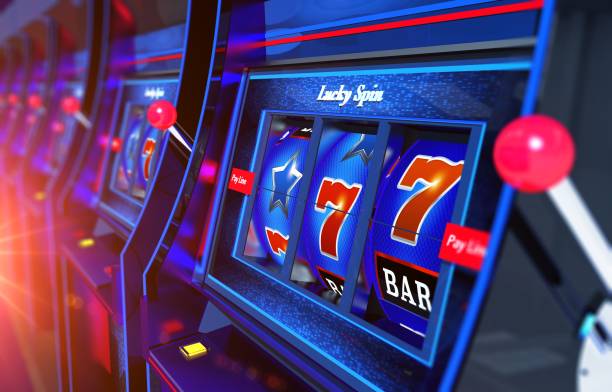
Moreover, the anticipation and excitement that accompany gambling create a powerful psychological effect. The unpredictability of the outcome, whether it’s spinning a roulette wheel or pulling a slot machine lever, heightens arousal and keeps players engaged. This emotional investment amplifies the experience, making each session unique and exciting. The combination of uncertainty and potential reward can keep individuals returning, often despite their better judgment, as they seek to replicate that initial rush of victory.
The thrill is not solely about financial gain; it’s also about the social dynamics involved. Gambling often takes place in communal settings, such as casinos or online platforms, where the shared excitement contributes to the experience. Interactions with fellow players can enhance the feeling of camaraderie and competition. These social elements further solidify the appeal, as players not only gamble for themselves but also to engage and connect with others, adding another layer to their psychological enjoyment.
Cognitive Biases at Play
Cognitive biases play a significant role in the psychology of gambling. One prevalent bias is the illusion of control, where players believe they can influence the outcome of games of chance. For instance, gamblers may think that their strategies or rituals can affect the results, despite the inherent randomness of slot machines and table games. This false sense of agency can lead to overconfidence and increased gambling, as individuals convince themselves they possess skills that can enhance their winning potential.
Another common cognitive bias is the gambler’s fallacy, where individuals believe that past outcomes can influence future events. For example, if a particular number hasn’t been hit in a while, players might assume it is “due” to come up. This misconception can lead to poor decision-making and increased betting as players chase what they perceive to be an inevitable win. Such biases can cloud judgment and hinder responsible gambling practices, making it essential for players to understand how these mental shortcuts can skew their perception.
Furthermore, the concept of near-misses plays a pivotal role in gambling psychology. Near-miss scenarios, where players almost achieve a win, can be just as exciting as winning itself. These experiences can reinforce the desire to gamble, as the brain interprets near wins as encouragement to continue playing. The perception of being “close” can lead to repeated attempts to strike it lucky, effectively prolonging the gambling experience and fostering a cycle that can be difficult to break.
The Impact of Environment on Gambling Behavior
The environment in which gambling takes place can significantly affect behavior and decision-making. Casinos are designed with sensory stimuli that enhance excitement, including bright lights, engaging sounds, and the smell of freshly brewed coffee. These elements create an atmosphere that encourages players to stay longer and wager more. Understanding how environmental factors contribute to gambling behavior is critical for developing responsible gaming practices.
Moreover, online gambling platforms have taken advantage of this knowledge by creating immersive experiences that mimic the excitement of traditional casinos. Features such as live dealers, interactive games, and vibrant graphics contribute to the emotional allure of online gambling. Players may find themselves increasingly drawn to these platforms, spending more time and money than they initially intended. Being aware of these tactics is essential for maintaining control over one’s gambling habits.
Additionally, the social context in which gambling occurs can influence a person’s choices. For example, individuals may gamble more aggressively when surrounded by friends or in competitive environments. Peer pressure and the desire to impress others can lead to impulsive decisions that conflict with a player’s rational understanding of the risks involved. Recognizing these social influences is crucial for anyone looking to engage in responsible gambling practices, as they can lead to unhealthy gambling behaviors.
The Role of Emotional Factors
Emotions play a substantial role in gambling behavior, often dictating when and how individuals engage in this activity. For many, gambling serves as a form of escapism, allowing players to temporarily forget their problems or anxieties. When faced with stress or negative emotions, individuals may turn to gambling as a way to cope, leading to an increased risk of developing unhealthy patterns. Understanding the link between emotional states and gambling can help individuals recognize their motivations and make more informed choices.
Additionally, the highs and lows associated with gambling can create a rollercoaster of emotions that keep players coming back. Winning elicits joy and exhilaration, while losing can lead to frustration and despair. The stark contrast between these feelings can make gambling addictive, as players seek to replicate the highs while trying to avoid the lows. Recognizing this emotional dynamic is essential for maintaining a balanced approach to gambling, allowing individuals to set limits and engage more responsibly.
Furthermore, effective emotional regulation strategies can be beneficial for those who gamble. Techniques such as mindfulness, self-awareness, and cognitive reframing can help individuals manage their feelings surrounding wins and losses. By developing a healthier emotional response to gambling, players can reduce the risks associated with impulsive behavior and cultivate a more sustainable relationship with their gaming activities.
Realz Casino: Where Excitement Meets Responsibility
At Realz Casino Canada, we understand the thrill of gambling but also the importance of responsible gaming. Our platform is designed to provide an enjoyable experience while prioritizing player safety and well-being. With a diverse range of over 2,600 games, players can indulge in their favorite activities without compromising their health. We encourage responsible gambling by promoting self-awareness and offering tools to help players set limits on their wagering.
Realz Casino also emphasizes education regarding the psychological aspects of gambling. By offering resources on understanding gambling behavior, we aim to empower our players to make informed choices. Whether you are a seasoned player or new to the world of online gaming, our commitment to responsible gambling practices ensures that your experience is both thrilling and secure. Join us today, and discover a responsible approach to your gaming adventures!
